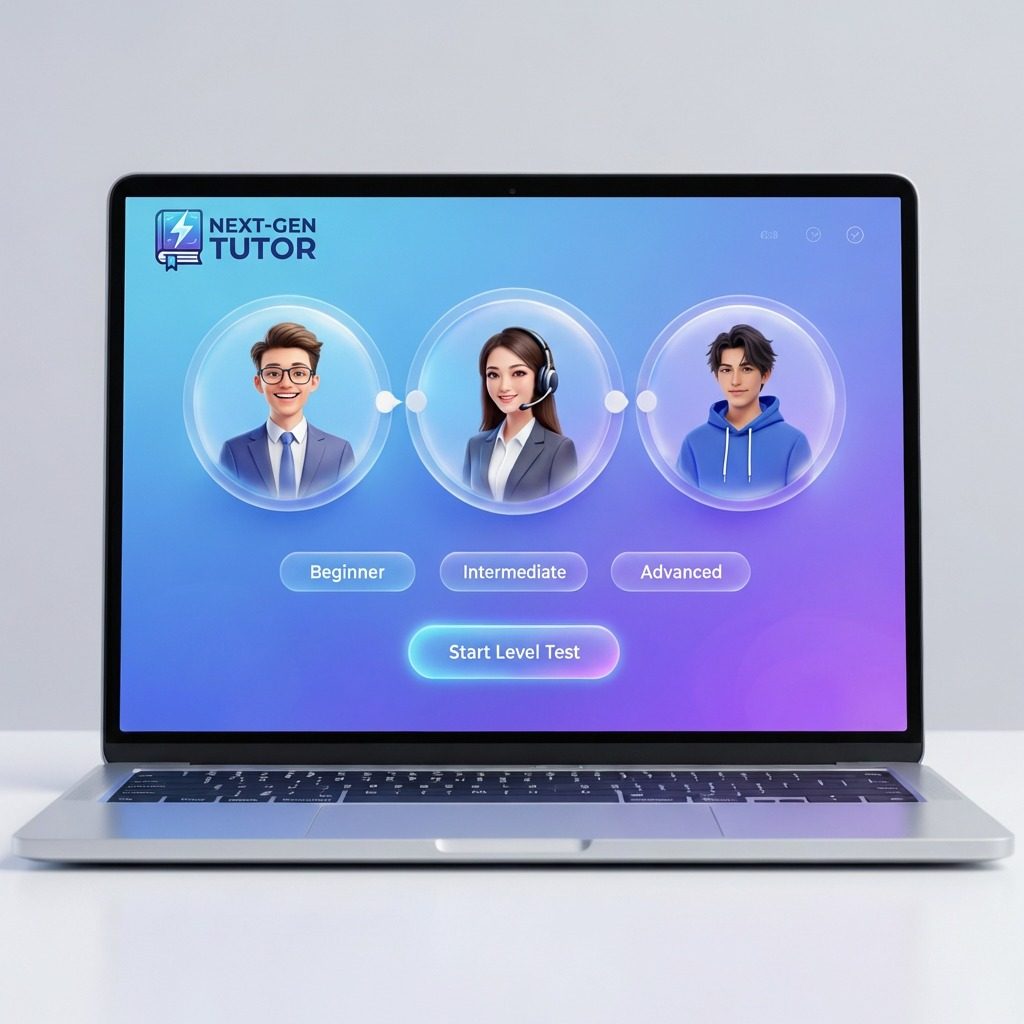
5 Common Mistakes Spanish Speakers Make in English Meetings
Why meetings are a critical skill
For Spanish-speaking executives, business meetings in English represent one of the highest-stakes communication scenarios. A misphrased idea can change the outcome of a negotiation.
After analyzing thousands of practice sessions on NextGenTutor, we've identified the 5 most common mistakes and how to fix them.
1. False friends that change meaning
Words like actually (not "actualmente"), eventually (not "eventualmente"), and assist (not "asistir") trip up even advanced speakers.
Fix: Keep a personal glossary of false friends and review it before important meetings.
2. Overusing direct translations
Phrases like "I am agree" (instead of "I agree") or "it depends of" (instead of "it depends on") are direct translations from Spanish that sound unnatural.
Fix: Practice fixed expressions as complete chunks, not word-by-word.
3. Struggling with small talk
Spanish business culture often jumps to the agenda quickly, but English-speaking meetings typically start with 2-3 minutes of casual conversation.
Fix: Prepare 3 go-to small talk topics: weather, weekend plans, recent news.
4. Hesitation fillers: "ehhh" instead of professional pauses
Spanish speakers tend to fill silence with prolonged sounds. In English, phrases like "That's a great question, let me think about that" buy you time professionally.
Fix: Practice with AI avatars to build muscle memory for English fillers.
5. Not confirming understanding
In Spanish business culture, nodding is common even without full understanding. In English contexts, asking "Just to confirm, you're saying that..." shows engagement.
Fix: Use NextGenTutor's meeting scenarios to practice clarification phrases.
Start practicing today
The best way to eliminate these mistakes is consistent practice in realistic scenarios. Start a session with one of our AI avatars and put these tips into action.